Menopause and Beyond: You Have Thirty Years Ahead of You
- Nadiya Solodenko
- 1 day ago
- 4 min read

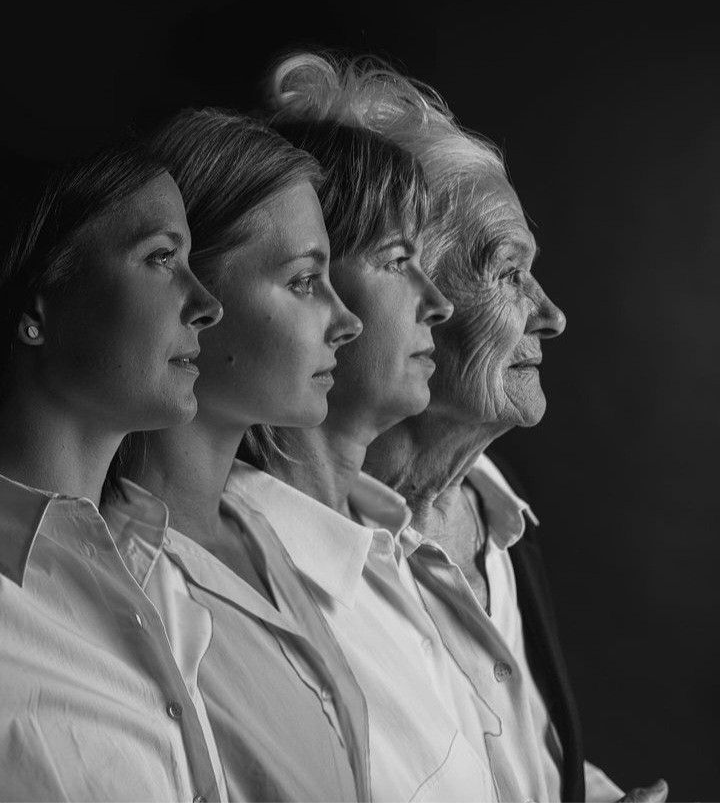
Women today are living to eighty and beyond. And menopause typically begins in the early fifties — sometimes a little earlier. That means thirty years or more of life ahead. Thirty years. That is not a quiet ending. That is a whole chapter.
And yet so many women arrive at menopause unprepared for what it does to their body, and in particular to their pelvic floor and their intimate life. They notice dryness where there was none before. Discomfort during sex. A loss of sensation. Urgency when they need the bathroom. A feeling of things not quite being where they used to be.
And many of them say nothing. They assume this is just ageing. That this is what menopause means. That this is now their life.
Ladies — from fifty to eighty-plus, that is more than thirty years. Do you really want to spend them feeling like a dry flower? Because you do not have to.
What Estrogen Does for Your Pelvic Floor
Estrogen is the hormone that keeps the tissues of the pelvic floor, the vagina, and the surrounding structures supple, elastic, well-hydrated, and strong. It supports blood flow to the vaginal walls. It maintains the thickness and flexibility of the vaginal lining. It helps keep the muscles toned and the connective tissues resilient.
When estrogen declines during perimenopause and menopause, all of this changes. The vaginal tissues become thinner, drier, and less elastic — this is called vaginal atrophy. The muscles of the pelvic floor lose some of their tone. The connective tissues weaken. Blood flow decreases. And the symptoms that follow can affect almost every area of a woman’s life.
What Vaginal Atrophy Actually Feels Like
Vaginal atrophy is one of those things that women often suffer with quietly for years, not knowing it has a name or that it can be addressed. It can feel like:
Persistent dryness and a feeling of tightness in the vagina
Burning or irritation, especially after activity
Pain or discomfort during sex — dyspareunia — that was not there before
Reduced sensation and difficulty with arousal or orgasm
Urinary urgency, frequency, or leaking that has worsened
A general feeling of being disconnected from that part of your body
These are real, physical changes with real causes. They are not in your head. And they are not inevitable for the rest of your life.
Hormones: A Nuanced Conversation
There is a lot of fear and confusion around hormones. Many women choose not to use hormone therapy, and that is absolutely a valid choice. There are many reasons a woman might decide it is not right for her.
But I want to make sure every woman has the information to make that choice consciously — not out of fear or because no one explained her options. If you are experiencing vaginal atrophy, dryness, or pelvic floor symptoms and you have not explored what might help, please speak to a healthcare professional you trust. There are many options available, some very localized and simple, and what is right for one woman may not be right for another.
This is about your quality of life. You deserve to understand your choices.
After Hysterectomy: What Changes
For women who have had a hysterectomy — the surgical removal of the uterus — the pelvic floor story has some additional layers. The removal of the uterus changes the internal support structure of the pelvis. The vaginal canal can become shorter. The surrounding ligaments and fascia adapt to a new internal anatomy.
Many women post-hysterectomy experience pain that feels like a knife inside, deep pelvic discomfort, or pain during sex that no one adequately prepared them for. A significant contributor to this is adhesions — bands of scar tissue that form after surgery and can attach to surrounding organs, nerves, and tissues, creating restriction, pulling, and pain.
If the ovaries were also removed during the hysterectomy, estrogen levels drop suddenly and significantly, sometimes causing surgical menopause almost overnight. Vaginal atrophy can develop more rapidly and severely in these cases.
If this is your experience, please know: it has a name, it has causes, and it can be worked with. Specialized pelvic floor physiotherapy and scar tissue work can make a real difference to pain, comfort, and quality of life.
Keeping Your Foundation Strong
Whatever stage of menopause you are in, and whether or not you have had surgery, there is always something that can be done to support your pelvic floor. Specific pelvic floor exercises — done correctly and consistently — maintain muscle tone, improve continence, and support sensation. Movement, good nutrition, hydration, and managing stress all contribute. And working with someone who specializes in pelvic floor health for women at this stage of life can be genuinely transformative.
You are not too old. It is not too late. This chapter of your life can be one of the richest.
In our next article of the Pelvic Floor Diaries — Part Six — we open the most tender conversation of all: vaginismus, dyspareunia, and the deep connection between your emotional world and your pelvic floor.


Comments